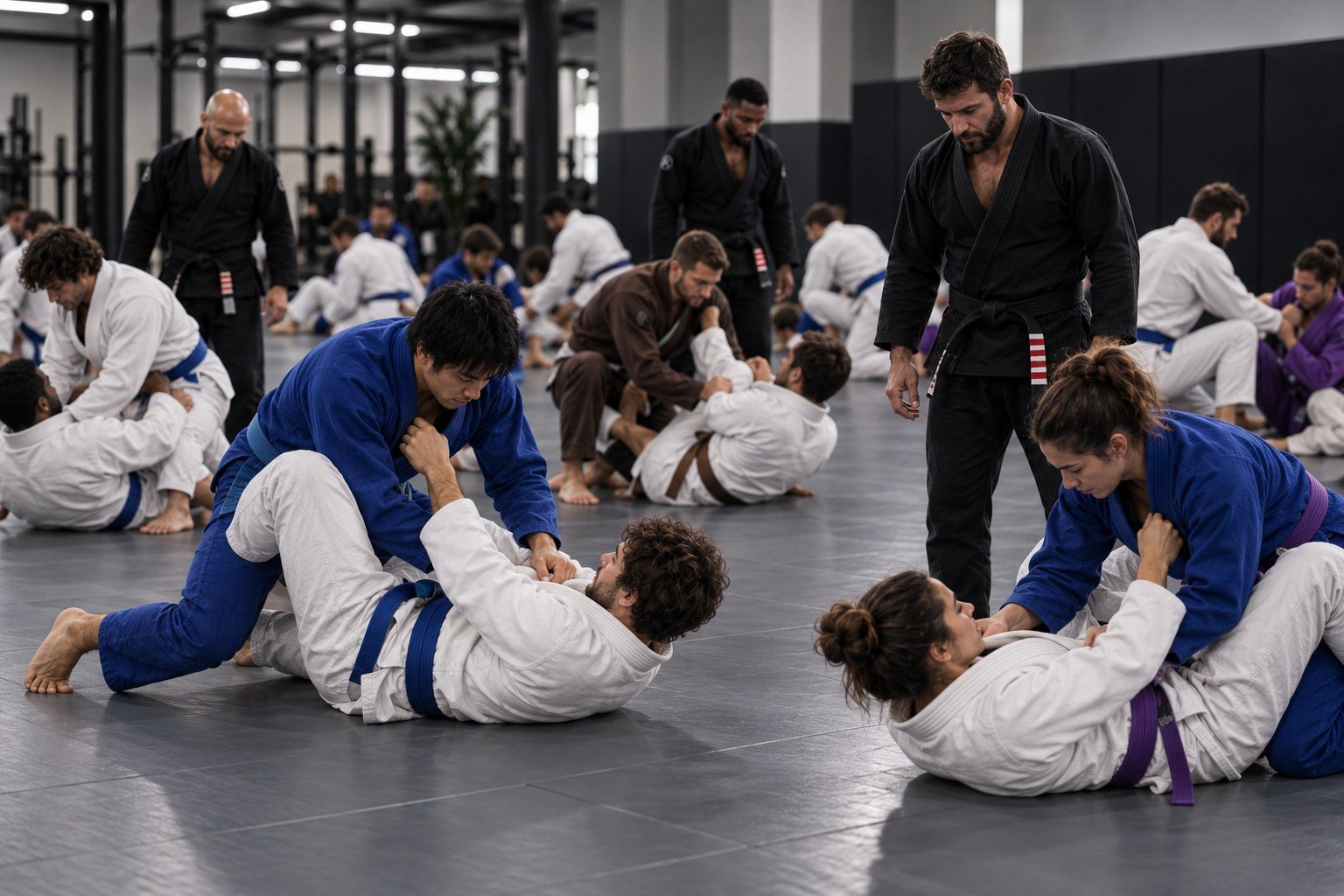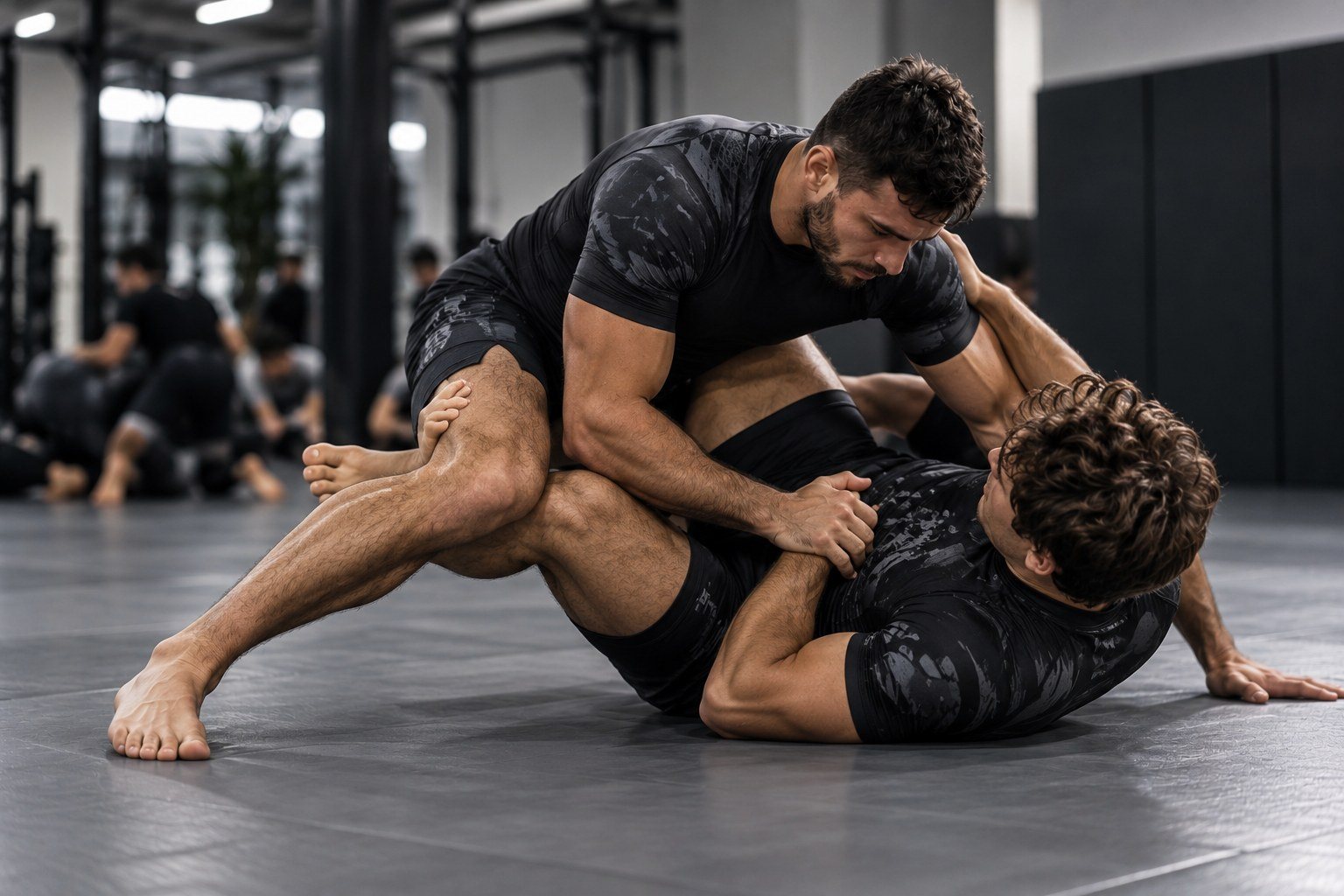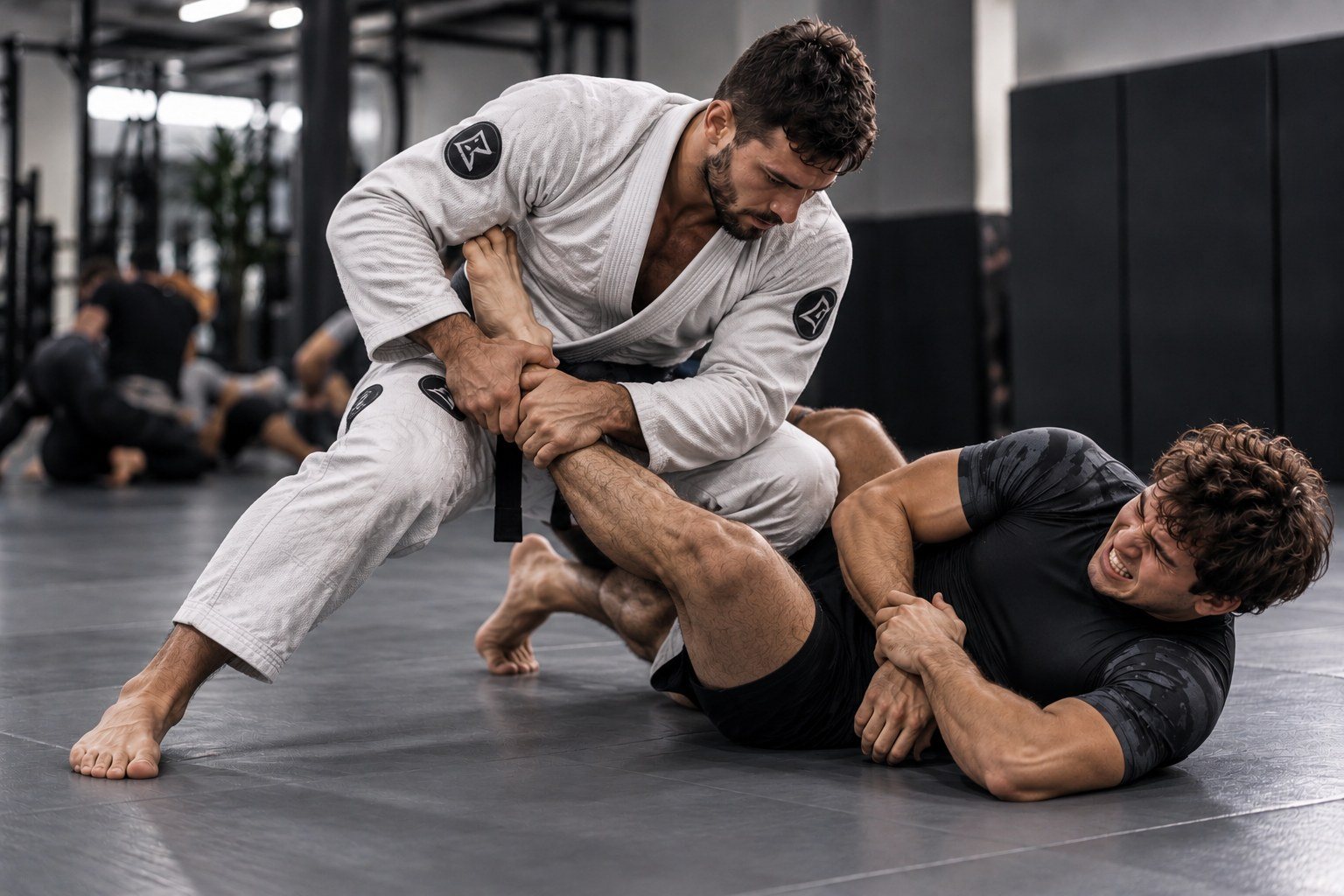
STOP COLLECTING TECHNIQUES! START DEVELOPING SKILLS!
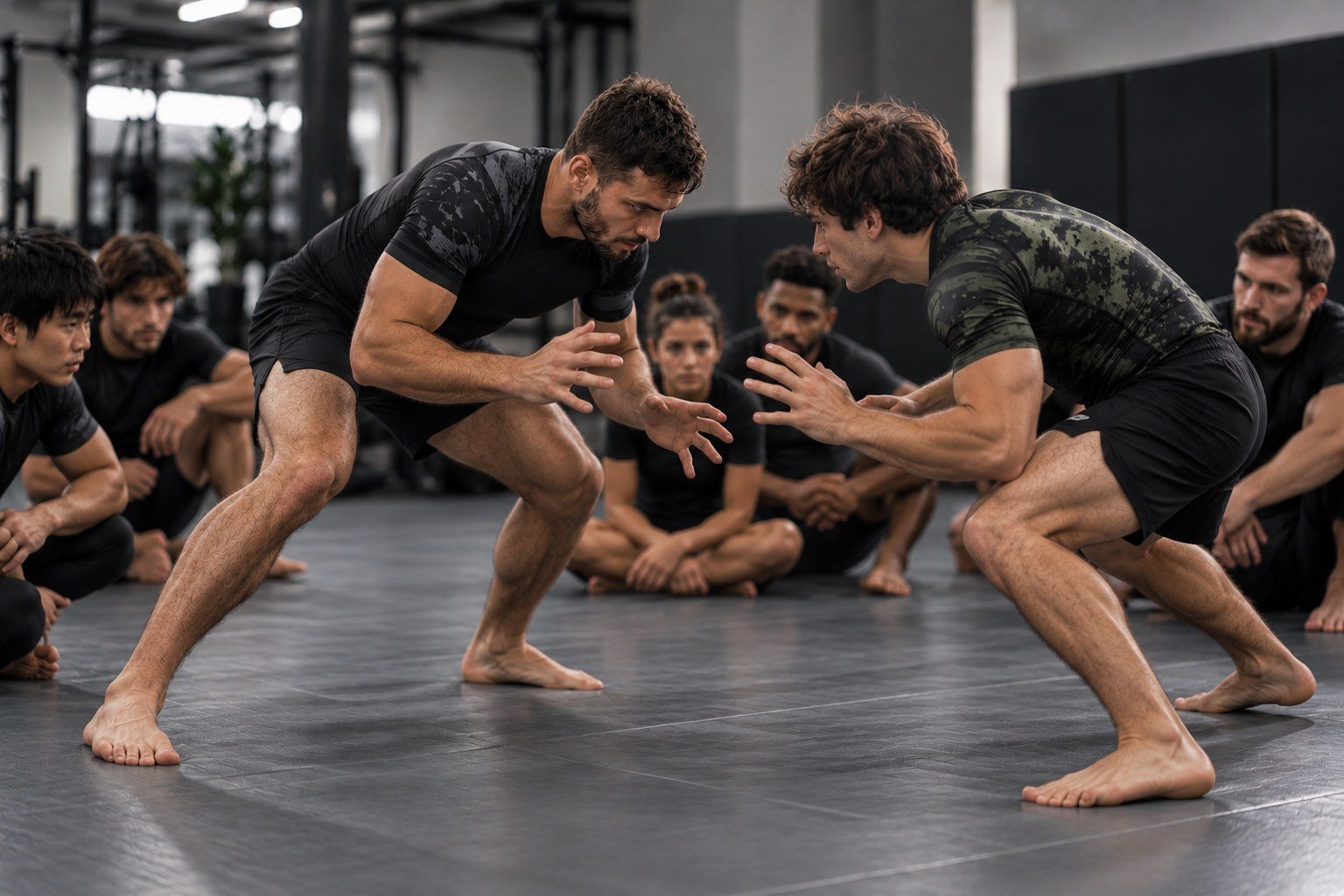
18 practical tips for getting more out of your training and building Jiu-Jitsu you can trust under pressure!
You can know the names of a hundred techniques and still struggle to use them when someone is actively trying to stop you.
You can watch instructionals, attend seminars, take notes, and explain how a movement works. Then you slap hands, start rolling, and miss the opportunity to use it—or recognize the opening after it has already disappeared.
That gap deserves attention.
Understanding a technique gives you a starting point. Developing skill means learning to recognize opportunities, create useful reactions, and adjust when your opponent interferes.
Can you get to the position? Maintain the connection? Recognize when to change direction? Recover when your first attempt fails?
Those questions should help shape your practice.
Whether you prefer technical drilling, ecological games, positional sparring, or a combination of methods, your training needs to prepare you to solve problems against resistance.
Here are 18 ways to make that happen.
1. Give Your Training a Clear Target
“Get better at Jiu-Jitsu” is a reasonable ambition. It is difficult to act on during a five-minute round.
Give yourself a specific problem to investigate.
Instead of saying, “I need a better guard,” identify what keeps happening:
* I lose contact when my opponent backs away.
* I get flattened before establishing useful connections.
* I can get underneath my opponent, but I cannot control their balance.
* I defend the first passing attempt and lose to the second.
Now you have something you can train.
The same applies to submissions. Improving your rear naked choke might require better back retention, hand control, access to the neck, or finishing mechanics.
Those are related skills, but each deserves attention.
The clearer the problem, the easier it becomes to design useful practice and recognize progress.
2. Understand What the Technique Accomplishes
When someone shows you a movement, look beyond the sequence.
Ask what each action changes.
If you establish an underhook, what does it help you control? If you move your hips, what space becomes available? If you pull your opponent forward, how does their balance change?
Consider a butterfly sweep.
Knowing where to put your hands and feet helps you begin. You also need to bring your opponent’s weight onto your hooks, interfere with their ability to post, and direct them toward available space.
Their posture and reactions will change the details.
Understanding the purpose helps you adapt when the exchange looks different from the demonstration.
Ask yourself:
“What needs to change about my opponent’s position for this to work?”
3. Learn to Recognize and Create Opportunities
Students often judge an attempt by its final result.
Did I sweep them? Finish the submission? Pass the guard?
But the problem may have occurred much earlier.
You might have attempted the movement before establishing enough control. You might have reacted too late. You might have continued forcing an attack after the opening closed.
Spend time noticing what makes an option available.
When attacking an arm, pay attention to when the elbow separates from the body. When trying to stand from seated guard, notice when your opponent retreats or releases contact.
Then explore how to produce those reactions.
An attack can make someone post. A threat to stand can encourage them to come forward. A change of direction can create space.
Develop the ability to influence the situation, recognize the response, and act while the opportunity exists.
4. Use Resistance That Lets You Investigate
Live resistance matters. How you introduce it matters too.
A cooperative partner may let you perform movements without exposing the problems you need to solve. A partner who immediately overwhelms every attempt may leave little room to explore.
Give both people meaningful jobs.
For example:
* Bottom player: From seated guard, establish control behind a knee or get underneath the top player’s hips.
* Top player: Stay balanced, deny those connections, and work around the legs.
Keep the task focused enough that the target problem appears repeatedly.
If one person has no realistic opportunity to succeed, adjust the starting position, available actions, or partner pairing.
Useful resistance creates decisions. It gives you something real to recognize and respond to.
5. Repeat the Problem With Variation
Your opponent will rarely give you an identical situation twice.
Practice your target against different reactions.
If you are developing a pass, experience what happens when your partner frames, turns onto a hip, retracts a knee, or tries to sit up.
If you are developing an escape, work against partners who distribute their weight differently.
Keep the central problem recognizable while allowing the details to change.
You might spend several rounds preventing a passer from getting around your knees. The passer can change direction and pace while your objective remains consistent.
Build a solution that survives variation, then keep refining it.
6. Make Failure Specific Enough to Learn From
“I suck at passing” gives you very little to work with.
“I lose control of the legs when my partner turns onto their side” gives you a useful next step.
After an unsuccessful attempt, identify where the exchange broke down:
* Did you fail to establish contact?
* Did you lose a necessary connection?
* Did your opponent create an angle?
* Did you recognize their reaction too late?
* Did you keep forcing an option that was no longer available?
Start with one observable event. Then return to the situation and test an adjustment.
You do not need to explain every detail immediately.
Be willing to fail, and be curious about what happened.
7. Give New Skills Room to Develop
You will probably look less effective while developing an unfamiliar skill than you do while using your strongest game.
Accept that.
If every round becomes a test of whether you can win, you will have a strong incentive to return to what you already trust.
Choose some rounds for exploration.
Enter the guard you are working on. Start in the escape position you avoid. Attempt the connection you keep missing.
Your partner should still give you honest resistance. You are simply allowing your training objective to matter more than the score of that round.
You need opportunities to practice what you have not mastered.
8. Build Follow-Ups Around Common Reactions
A single attack becomes more useful when you understand the responses it produces.
Start with one reliable threat. Notice the common ways people stop it. Develop follow-ups from those reactions.
From butterfly guard:
* Forward pressure may create opportunities to elevate or redirect.
* Retreating may create opportunities to follow, stand, or wrestle up.
* Posting to stop a sweep may expose another connection.
These are possibilities to investigate. Distance, grips, balance, and other actions still matter.
The goal is to stop treating every defended attack as the end of the exchange.
Use the response your first action creates.
9. Ask Questions That Help You Act
Good questions make coaching more useful.
Instead of asking, “Why doesn’t this work?” describe what happens:
“When I try to get underneath, they move their hips away before I control the leg.”
Now your coach has a specific interaction to examine.
Other useful questions include:
* What should I be trying to control?
* What tells me this option is available?
* Where am I losing the connection?
* What reaction should I expect?
* Can we start just before the point where I get stuck?
Sometimes you need a clear explanation. Sometimes you need a demonstration. Sometimes you need a better training task and more opportunities to explore.
Use feedback to improve what you can notice and do during the next exchange.
10. Connect Focused Practice to Open Rolling
Success in a narrow task is encouraging. You still need to discover whether the skill holds up in a broader exchange.
Gradually expand the practice.
Start close to the problem. Then begin slightly earlier. Allow more defensive options. Continue after the initial success instead of immediately resetting.
Eventually, look for the same skill during open rolling.
For back control, you might first practice following your partner while chest-to-back contact is established. Later, begin during the transition to the back. Then include the attack that creates the exposure.
Learn to reach the position, maintain it, and connect it to what happens next.
11. Measure Progress Beyond Taps
Submissions matter, but they do not capture every improvement.
You might lose a round while improving the exact skill you intended to train.
Perhaps you recovered guard several times before being passed. Perhaps you established a connection against someone who usually denies it. Perhaps you recognized an opening early enough to attempt an attack.
Track those changes.
Ask:
* Am I reaching the target situation more often?
* Can I maintain control against more movement?
* Do I recognize the reaction sooner?
* Can I recover when my first attempt fails?
* Can I use this against different partners?
Be honest about the conditions. Success against a beginner and success against an experienced competitor provide different information.
Both can help guide your training.
12. Take Notes That Direct Your Next Session
A training notebook does not need to become a transcript of class.
Record something you can use.
Try three short entries:
What happened?
I established butterfly hooks, but my partner backed their hips away before I could load their weight.
What helped?
Maintaining upper-body contact gave me more time to follow.
What will I test next?
Whether threatening to stand encourages them to come forward.
That is enough to create continuity between sessions.
The value comes from returning to the observation and testing it.
13. Give a Problem Enough Time
It is easy to confuse exposure with development.
You see a technique, try it a few times, struggle, and move on. Months later, you have encountered plenty of material without spending much time solving any one problem.
Choose an area and stay with it long enough to experience different reactions.
That might be maintaining seated guard, escaping a pin, connecting takedowns, or controlling the back.
You can still participate in the rest of class. A personal focus gives your extra rounds and reflection direction.
Change your approach when the evidence calls for it. But early difficulty does not automatically mean you need an entirely different game.
14. Choose Partners With Purpose
Different partners expose different parts of your skill.
A less experienced partner may give you opportunities to initiate and connect attacks. A similarly experienced partner may challenge your timing and adjustments. A more experienced partner may reveal gaps you had not noticed.
Body size, pace, style, and familiarity also change the problem.
If you only practice against one person, you may become good at predicting that person.
Seek variety while keeping the training appropriate for the task.
Communicate your objective when useful:
“Can we start in seated guard? I’m working on maintaining contact when you move away.”
Good training partners help each other create useful practice.
15. Adjust the Pace So You Can Make Decisions
There is a place for hard rounds. There is also a place for reducing the pace enough to notice what is happening.
If every unfamiliar situation makes you tense up, hold your breath, and force the first available movement, you may miss useful information.
Try a manageable pace where both partners can still pursue their objectives honestly.
Notice the pressure. Feel where the weight moves. Recognize when a connection becomes weak.
Then gradually increase the demands.
A skill you can use during a controlled exchange still needs to be tested at higher intensity. That progression gives you a way to connect exploration with demanding practice.
Train at a pace that serves the purpose of the round.
16. Use Instructionals and Video to Answer Questions
There is more Jiu-Jitsu content available than any person can reasonably absorb.
Give your study a purpose.
Before opening an instructional, identify a problem from training. Look for information that helps you investigate it. Then take one or two ideas back to the mats.
Watching your own rounds can also help. With your partner’s permission and within your academy’s rules, review a short exchange where something repeatedly went wrong.
Look for observable details:
* When did you lose contact?
* Where did your opponent gain an angle?
* What happened immediately before the pass?
* Was an opening available that you did not recognize?
Video gives you another view of the exchange. Your next practice tells you whether your proposed adjustment helps.
Let study feed practice, and let practice give your study direction.
17. Learn to Recover When the First Attempt Fails
Your first attack will not always work. You will lose grips, miss entries, and have your guard passed.
Develop what happens next.
Can you recover your base after a failed takedown? Reestablish guard after losing an inside connection? Return to a useful position when a submission slips away?
During some rounds, continue after the initial attempt instead of resetting.
If a sweep fails, work to recover position or connect another attack. If a pass stalls, explore whether you can change direction while keeping useful control.
Keep submissions controlled and release immediately when your partner taps; continuing the exchange never overrides partner safety.
A dependable game includes ways to recover, reconnect, and keep making decisions.
18. Build Consistency You Can Sustain
A productive session matters. A repeatable training habit gives you more opportunities to build on it.
Choose a schedule you can maintain. Arrive ready to participate. Bring a clear objective, and return often enough to revisit it.
Pay attention to how you are showing up.
If fatigue is making every round a struggle to function, adjust the workload or the purpose of the session. Some days can emphasize demanding rounds. Others can emphasize focused tasks and exploration.
Consistency also includes how you treat your partners. Use controlled submissions, respect taps, communicate, and give people reasons to trust you.
Reliable partners create more opportunities to train together.
The work has to be repeatable for you and the people helping you improve.
⸻
Put These Tips Into Your Next Session
You do not need to implement all 18 tips at once.
Choose one problem before class.
Find opportunities to work on it against resistance. Ask your coach or a partner to help recreate the point where you get stuck. Make one adjustment and test it.
Look for the same situation during open rolling.
Afterward, write down what happened and what you want to investigate next.
You will still have difficult rounds. You will still miss opportunities. Some improvements will appear quickly, while others will require repeated attention.
Keep returning with a clear purpose, honest effort, and a willingness to adjust.
Learn the movement. Understand its purpose. Create the opportunity. Test it against resistance. Adapt to the response.
That is how you turn information into Jiu-Jitsu you can trust.